I. Catheter Types and Characteristics
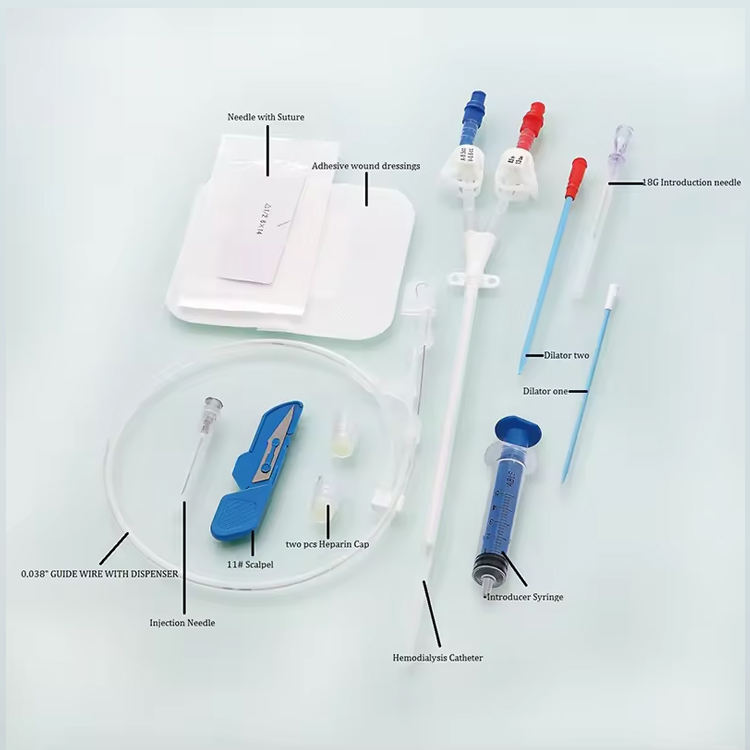
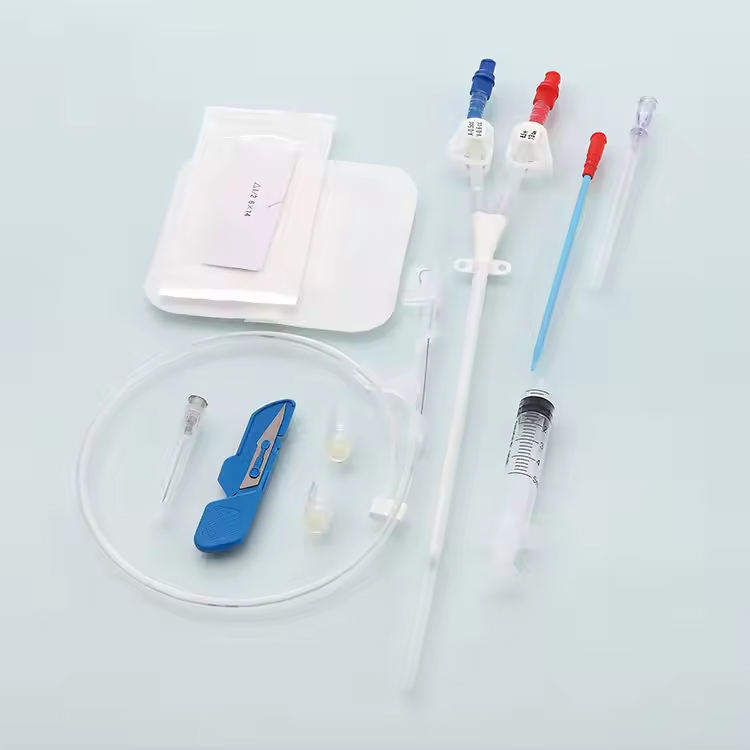
1. Temporary Catheter
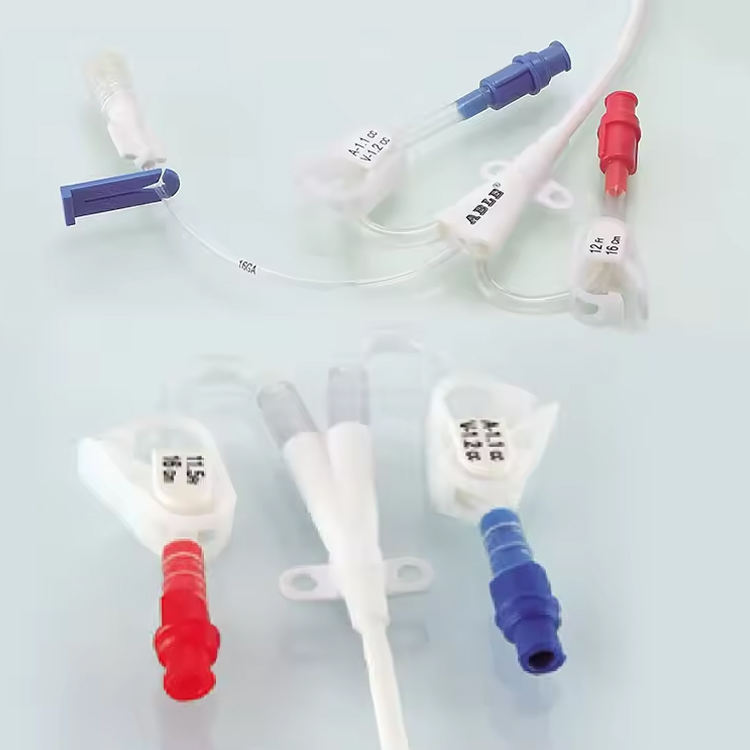
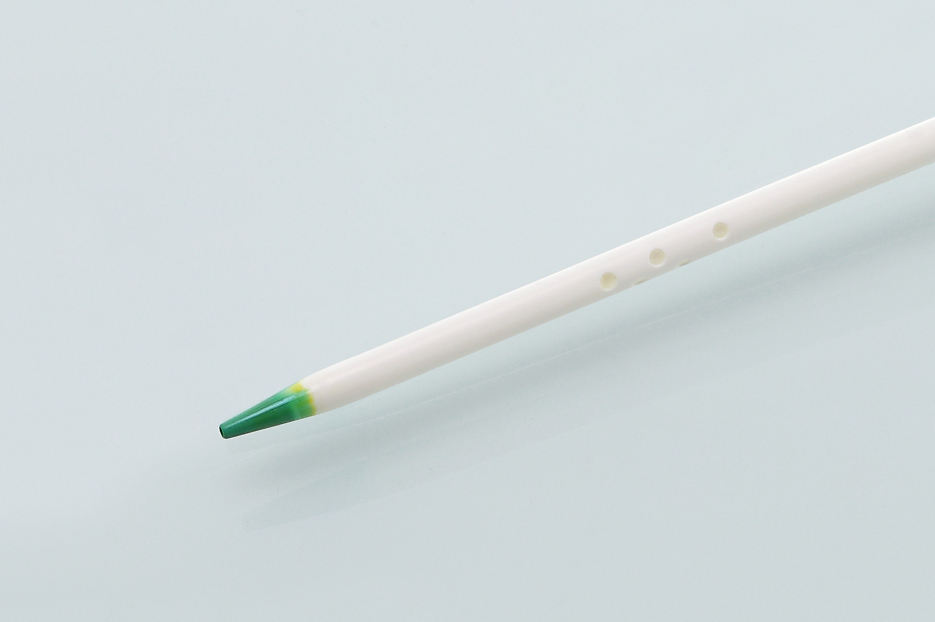
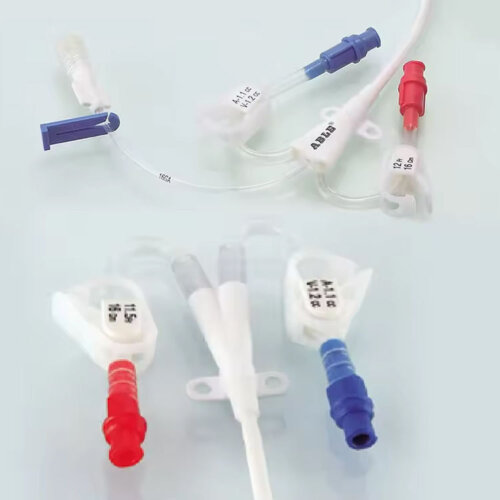
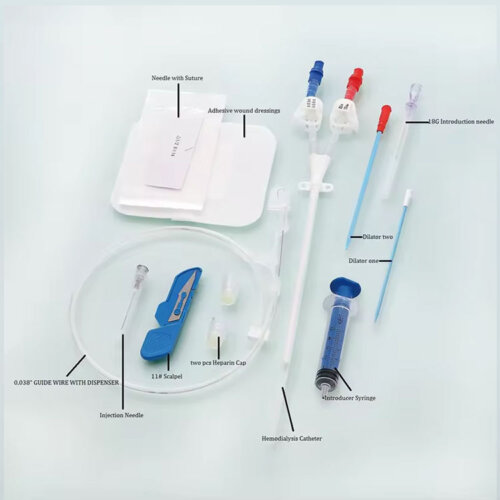
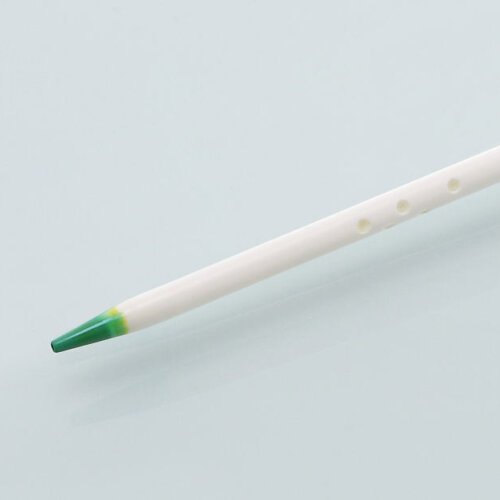
Material: Mostly double-lumen catheters, made of soft material, with separate arterial and venous lumens at the tip.
Applicable Scenarios: Suitable for acute kidney injury, poisoning, and other conditions requiring emergency dialysis, or as a temporary measure when a long-term access is not yet established.
Insertion Site: Commonly the internal jugular vein or femoral vein.
Usage Period: Generally no more than 2-4 weeks, with a higher risk of infection.
2. Long-Term Catheter (with Dacron Cuff)
Material and Structure: Contains a Dacron cuff, requiring the creation of a subcutaneous tunnel during insertion to reduce the risk of infection.
Applicable Scenarios: Long-term dialysis for patients with chronic renal failure, especially when an arteriovenous fistula or artificial graft cannot be established.
Insertion Site: Often the internal jugular vein or subclavian vein.
Usage Period: Can last for several months or even years, requiring regular maintenance.