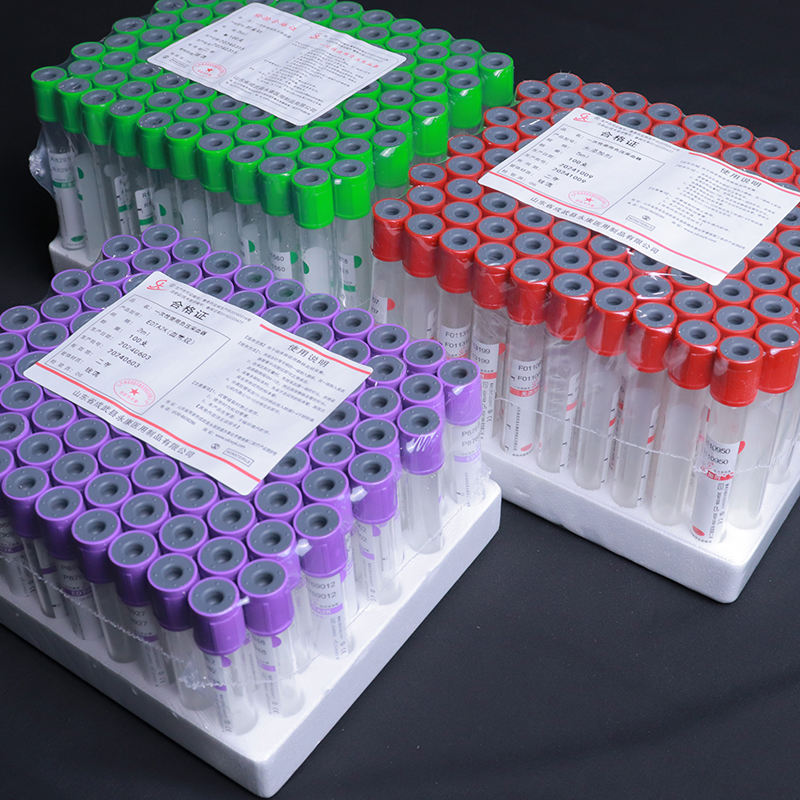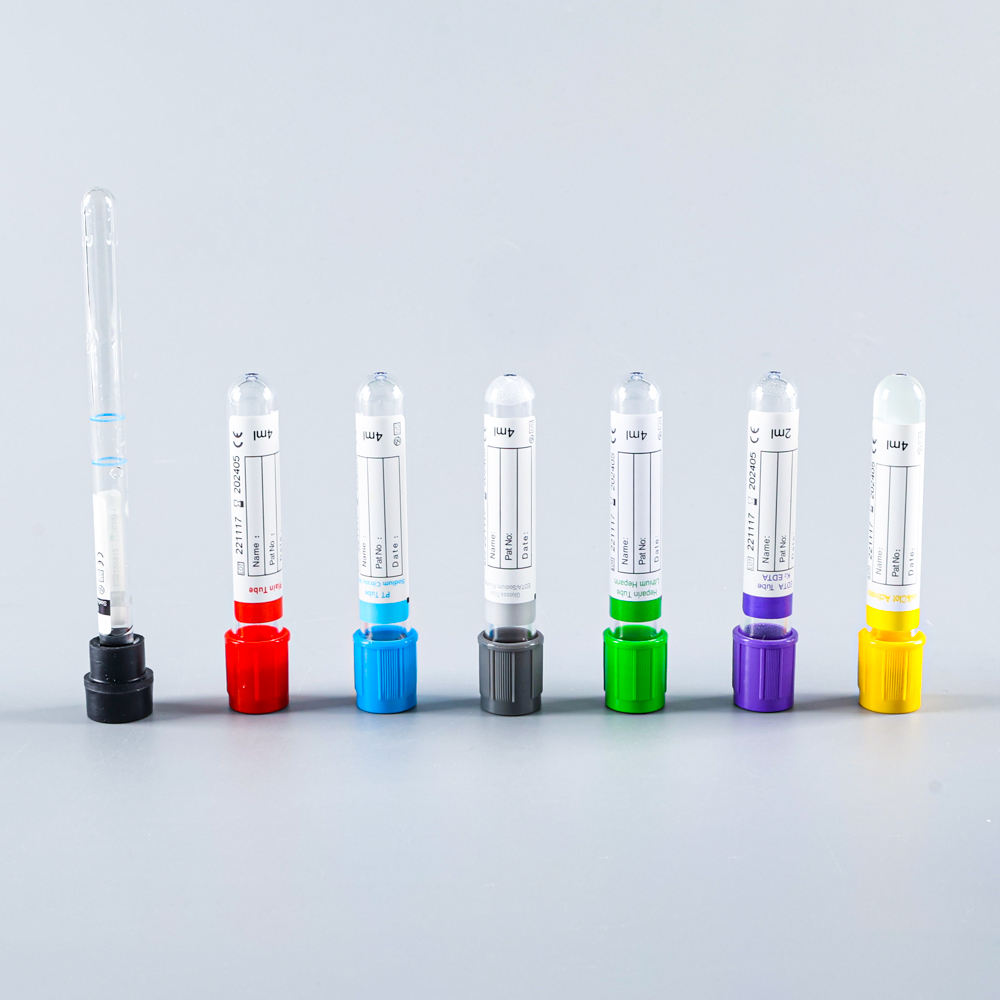
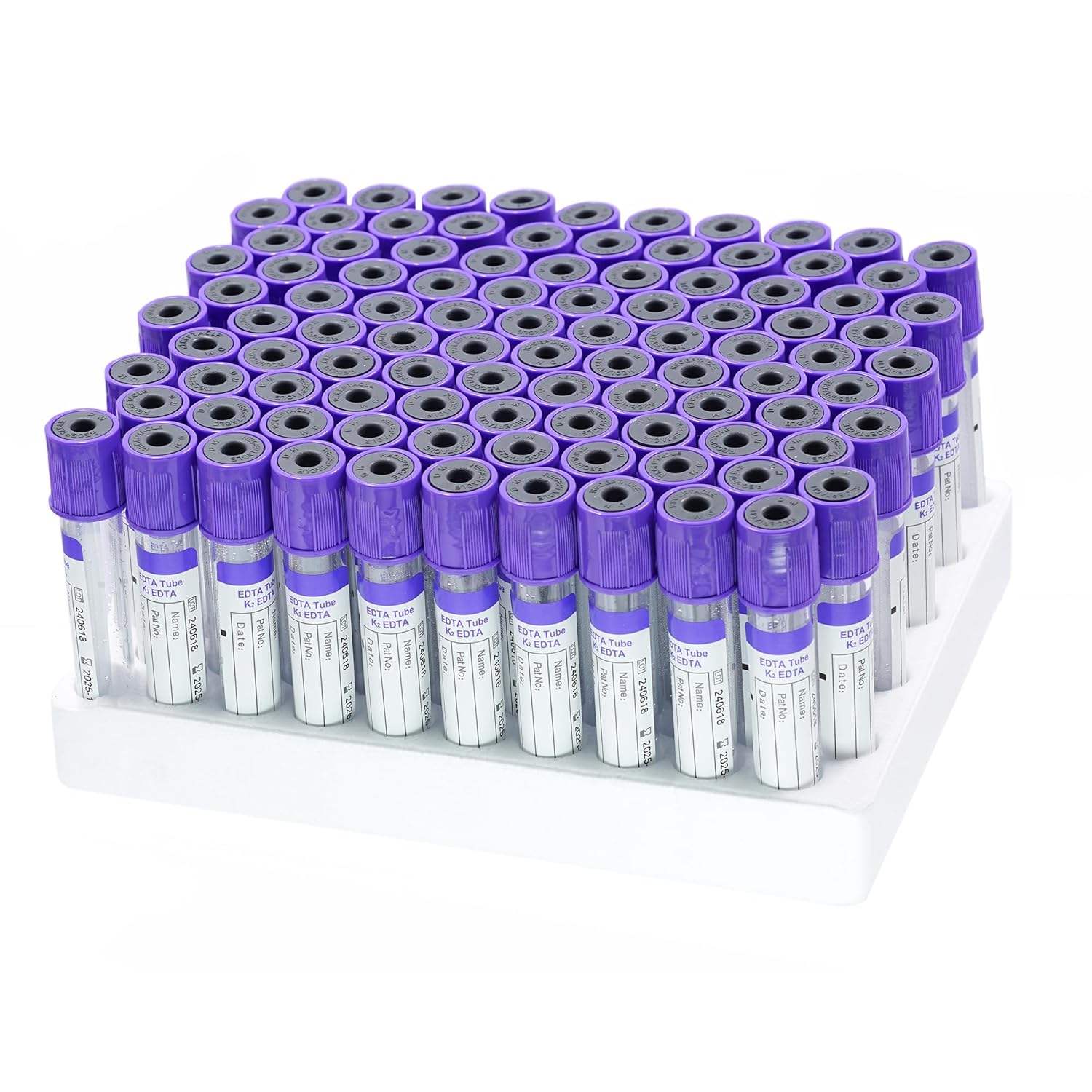
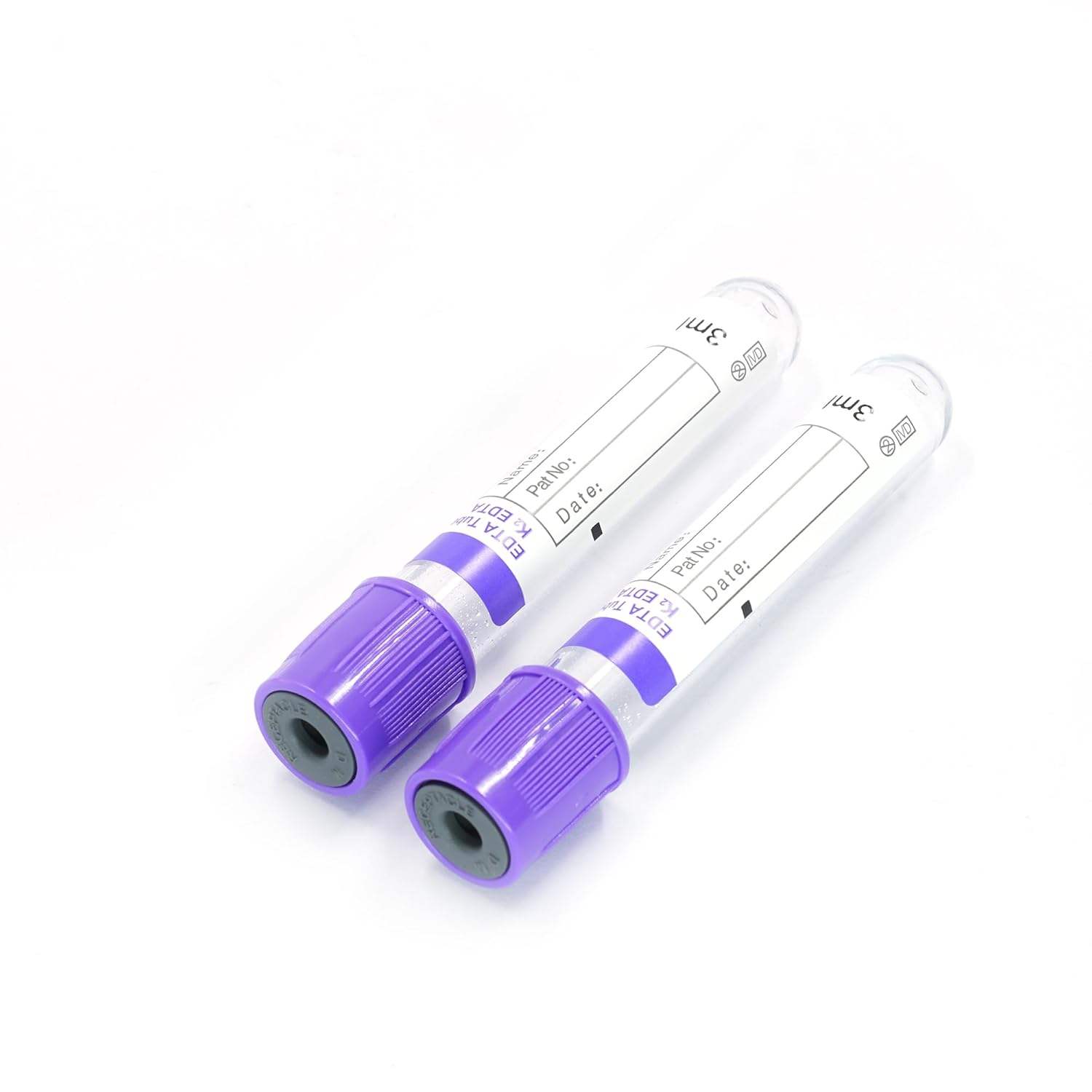
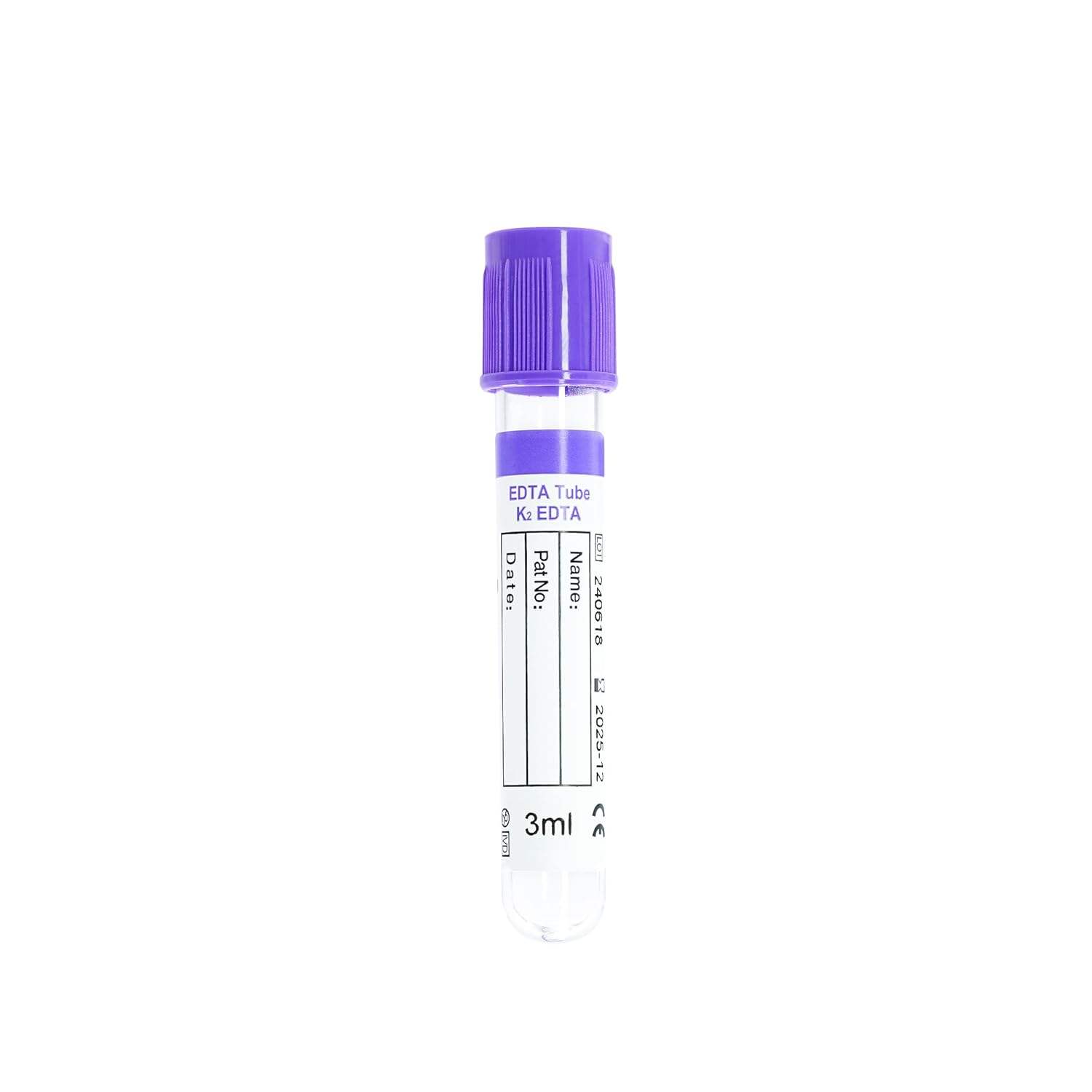
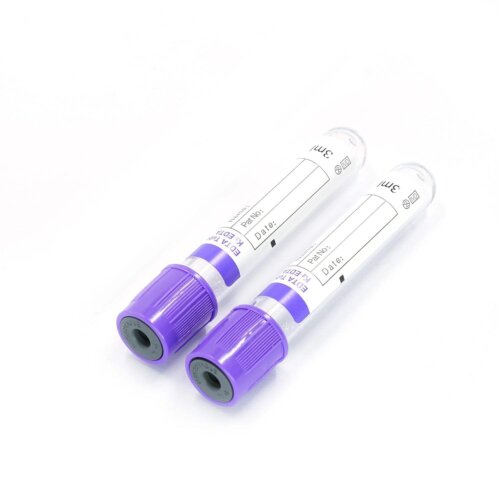
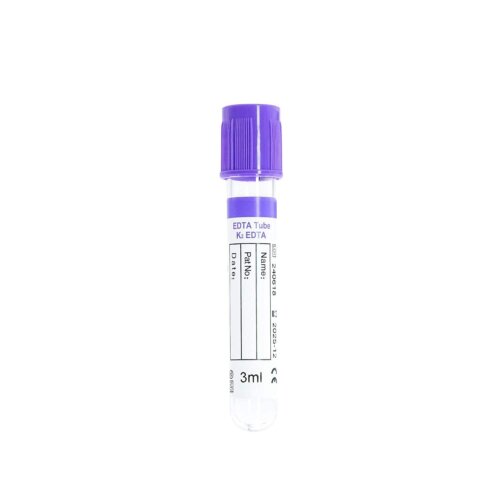
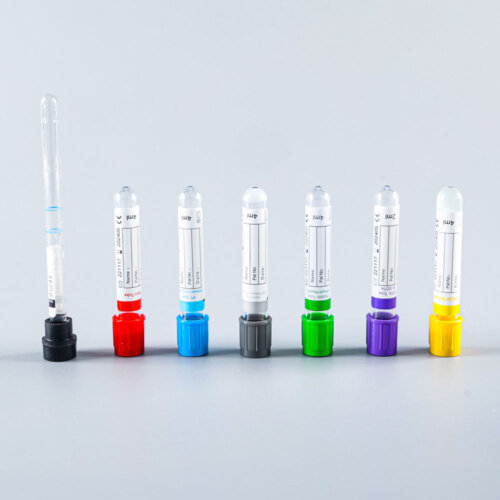
Blood collection tubes are made of glass or plastic and contain pre-added specific additives (such as anticoagulants, coagulants, separation gels, etc.) to maintain the stability of blood components. They are distinguished by different color codes to indicate their intended use, for example:
Purple tube (EDTA anticoagulant): Used for complete blood count, blood typing, etc.;
Green tube (heparin anticoagulant): Suitable for biochemical and immunological tests;
Blue tube (sodium citrate anticoagulant): Specifically used for coagulation function tests;
Gray tube (sodium fluoride/potassium oxalate): Used for testing metabolites such as blood glucose and lactate;
Red tube (no additives or coagulants): Used for biochemical and immunological tests after serum separation.
The proportion of additives in each type of blood collection tube is strictly calibrated and must be selected according to the specific test to avoid cross-contamination or result deviations.